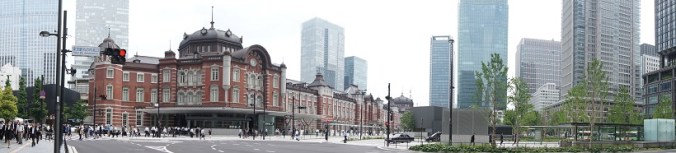
Today, we took a tour of some of the hotspots of Tokyo with our son, Oscar, acting as tour guide. We breakfasted on a bowl of soba noodles at a ‘Tachigui Soba’ or standing up café in Shinigawa Station. These kind of restaurants are very popular for busy commuters who want something quick and inexpensive. We ordered our dish by paying at a machine outside and then presenting a ticket at a serving hatch. In seconds, we were handed generous bowls of noodles. Mine was served with tofu and seaweed and swimming in a tasty broth. I was surprised to find my noodles cold – some dishes are hot, some cold – hot are more popular in the winter and cold in the summer. It’s perfectly acceptable to slurp the noodles loudly – infact everyone does.
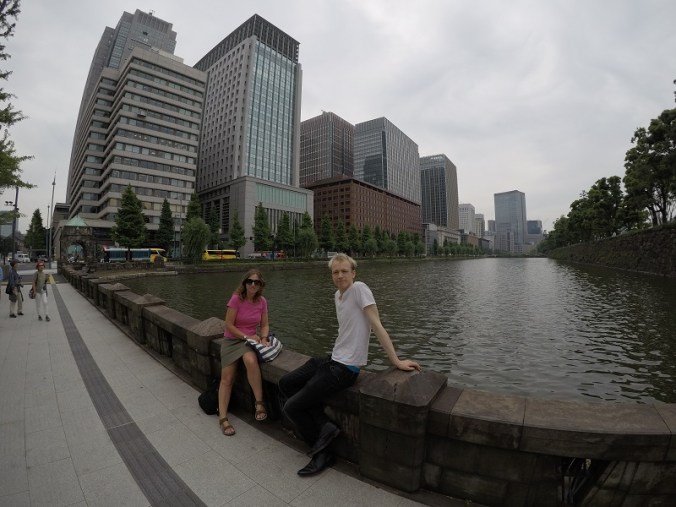
After breakfast, we caught a train to the Imperial Palace. The original Palace was destroyed by American bombs in July 1945. The following month, the Emperor met his government in an underground shelter and agreed to surrender, bringing the war to an end. A new palace was built and is still the home of the Royal Family but it is not open to the public. Instead, we wandered around the outer gardens – now a public park, and free to enter.
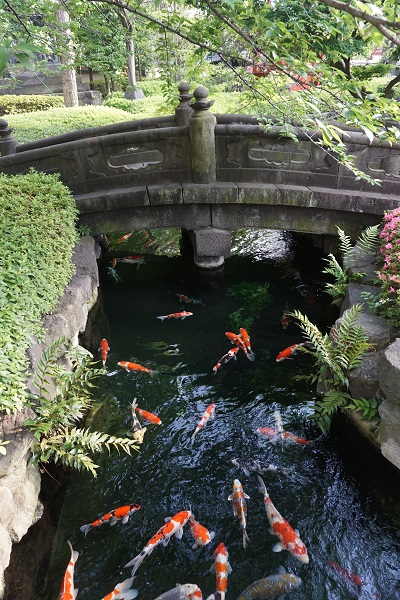
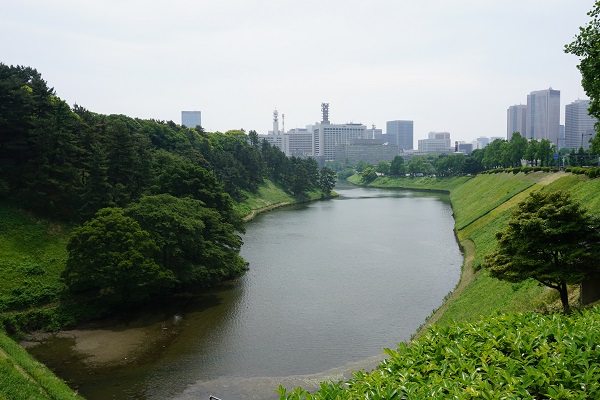
The park is surrounded by a wide moat and high stone walls: the original defences of the palace. Inside the park, there are a few old buildings, such as an impressive guardhouse by the East Gate, but not as many as I expected. Not many ancient buildings have survived in Tokyo, partly due to earthquakes and partly due to bombs. The ones that are still standing have usually been rebuilt a number of times and so are not strictly speaking original. When the Guardhouse was built, it looked out over the sea towards Mount Fuji. Now the view has been filled in by all the modern tower blocks.
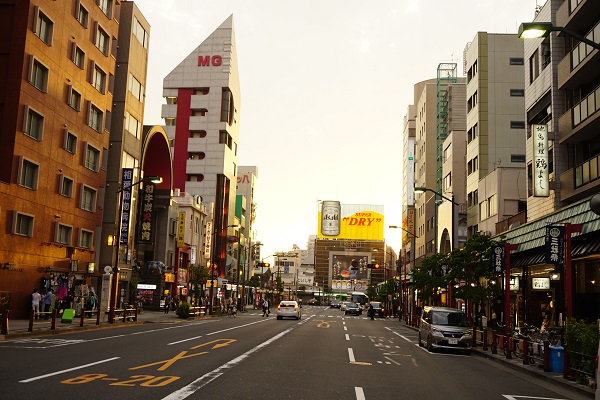
After the Imperial Palace, we headed to a completely contrasting part of town – Akihabara. This area used to be known for its Electronics, and there are still shops where you can get just about everything you need to build a computer or power your home. However, since the advent of computers, it is better known as a home to enthusiasts of computer games, anime and manga comics (geek central).
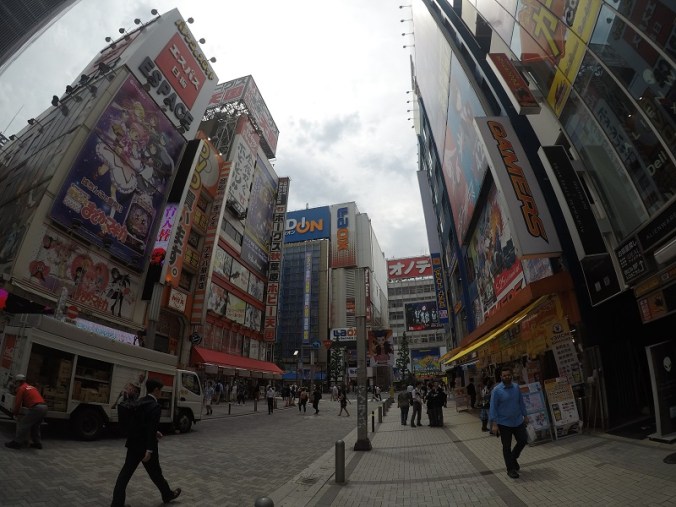
The moment I stepped out into the street, I felt as if I had landed in a Sci-fi film. Neon lights, tower blocks, massive bill boards everywhere, many showing moving images such as music videos or clips from anime (a style of Japanese cartoon, such as Pokemon). A sensory overload.
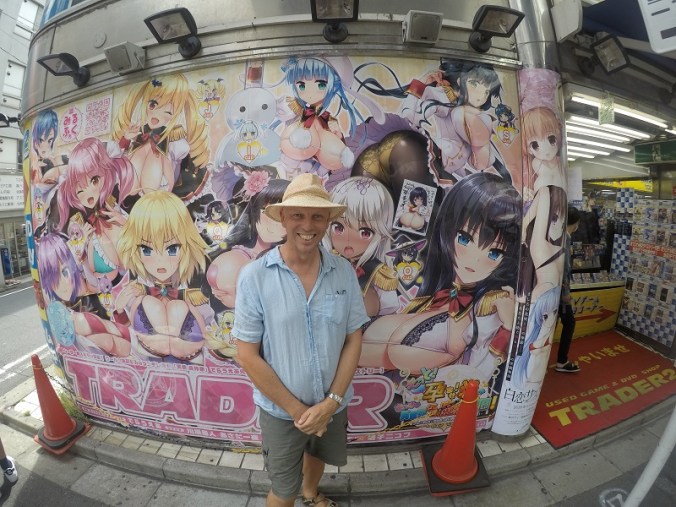
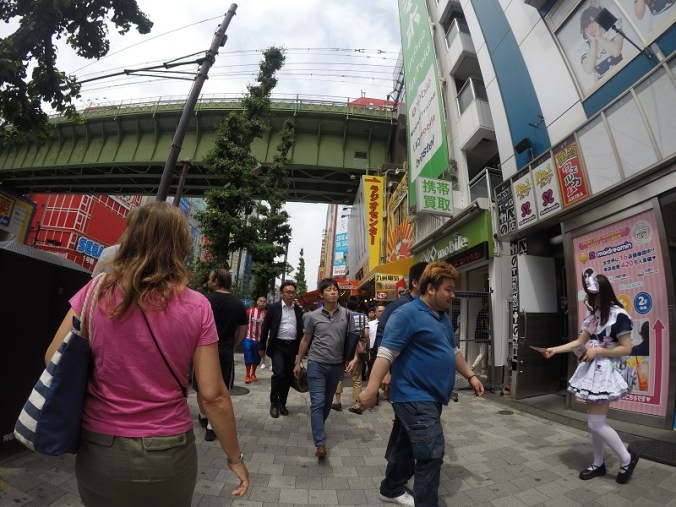
There’s a word ‘Otanga’ in Japanese which is used to define people with obsessive interests, particularly in anime and manga. What started as a pejorative term has now been proudly owned by such people and today the Otanga culture flourishes. There are cosplay cafes (where people dress up as characters from their favourite comics, TV, film, games etc) and also Maid cafes (where attractive young women dressed in ‘maid’ outfits try to lure you into cafes where they will act as servants to their ‘masters’ – slightly creepy in my view). At the top of a department store, there’s a stage where the popular Japanese girl band AKB48 plays live every day. This part of town is definitely aimed at a younger target audience than yours truly and after an hour there, I wanted to lie in a darkened room.
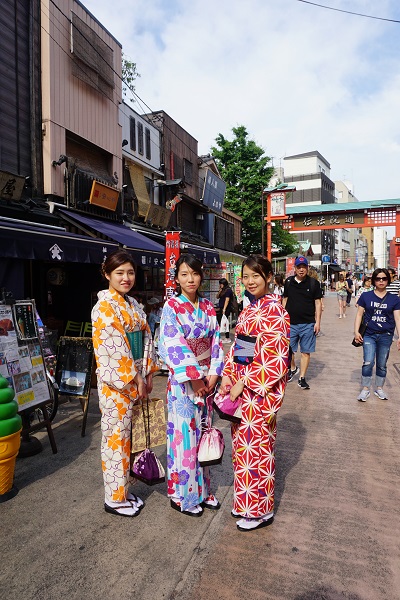
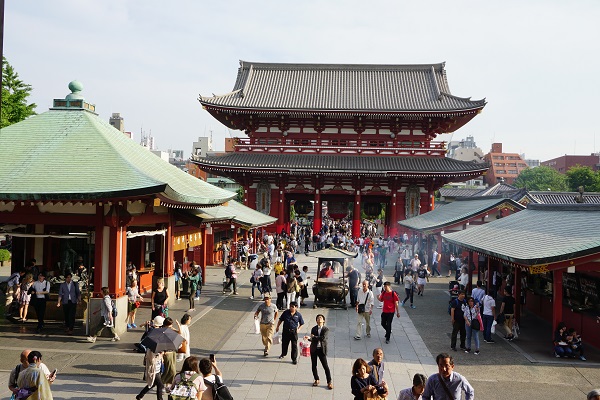
After a calming lunch in a Japanese Italian restaurant (strangely un-Italian) we moved on to our final destination for the day – Asakusa. Again, this presented a massive contrast to Akihabara. This district is all about narrow streets filled with rickshaws pulled by handsome young men, women hobbling by in wooden sandals and beautiful kimonos. Like Akihabara, it all felt rather unreal. I was under the impression that kimonos were just for tourists but apparently they are commonly worn by women – and men, too. The male kimonos tend to be in plain, dark colours and are less elaborate.
We wandered down the street, ducking into shops selling traditional items such as wood cut prints and traditional sweets and snacks. At the heart of Asakusa is a huge temple, the Sensoji Temple. The best known building is the Kannodo Hall, a striking red and white structure which draws the eye. To the right of this is the Asakusa Shrine. The whole area is very popular with locals, with plenty of shady places to sit and relax. We took advantage of a handy vending machine to have a refreshing drink.
The daylight was beginning to fade, so we popped into a local bar for a beer. Apparently, it’s not ‘done’ to order a drink without ordering something to eat, so we made like the locals and selected a few small snacks – quails eggs, pickled onions, edamame beans and raw octopus.
After another hour of wandering about, Oscar took us to a sushi restaurant. There was no menu and no English spoken. Thank goodness Oscar can speak Japanese. It was a modest looking place with only two tables and a few settings at the bar. Only sashimi was on offer (sashimi = raw fish) as we were too early for the sushi – the rice was still being prepared. Preparing rice for sushi is an art in itself, apparently, and cannot be rushed. The chef came up to the table and asked Oscar if there was anything we DIDN’T like. Oscar said no, we’d eat anything fishy. Half an hour later we were presented with a single, beautifully presented plate of fish and seafood garnished with seaweed. It didn’t look enough for three, but in the end we struggled to finish it.

When it came to paying up, I was taken aback by the size of the bill – however, it was the best sashimi I’ve ever tasted, and a satisfying way to end Oscar’s ‘taste of Tokyo’ day.
 Senior gap year